Lawn Love
Author picture

Lawn Love – Even In A Drought!

A green, vibrant lawn is a source of pride for many homeowners — and in a four-season destination like Southern Georgian Bay, your outdoor space plays an important role in maximizing curb appeal and lifestyle. But with prolonged dry spells and current drought conditions across our region, maintaining that healthy yard has become more of a challenge.

Lawn Love in Southern Georgian Bay: How to Grow and Maintain a Lush Yard — Even in a Drought

Whether you’re looking to boost property value, prep your home for sale, or simply enjoy your yard to the fullest, here are some sustainable and drought-conscious strategies to keep your lawn looking its best.

1. Choose the Right Grass for the Climate

Start by selecting grass varieties that are well-suited to our Ontario climate — especially varieties that can withstand both cold winters and hot, dry summers. Drought-resistant types like fescues, ryegrass, or Kentucky bluegrass blends are great choices for this region. These grasses are hardy and require less watering once established.

Love Your Lawn

2. Water Wisely (and Legally!)

In times of drought, municipalities may place restrictions on watering. Be sure to check with your local town or city for any current guidelines.

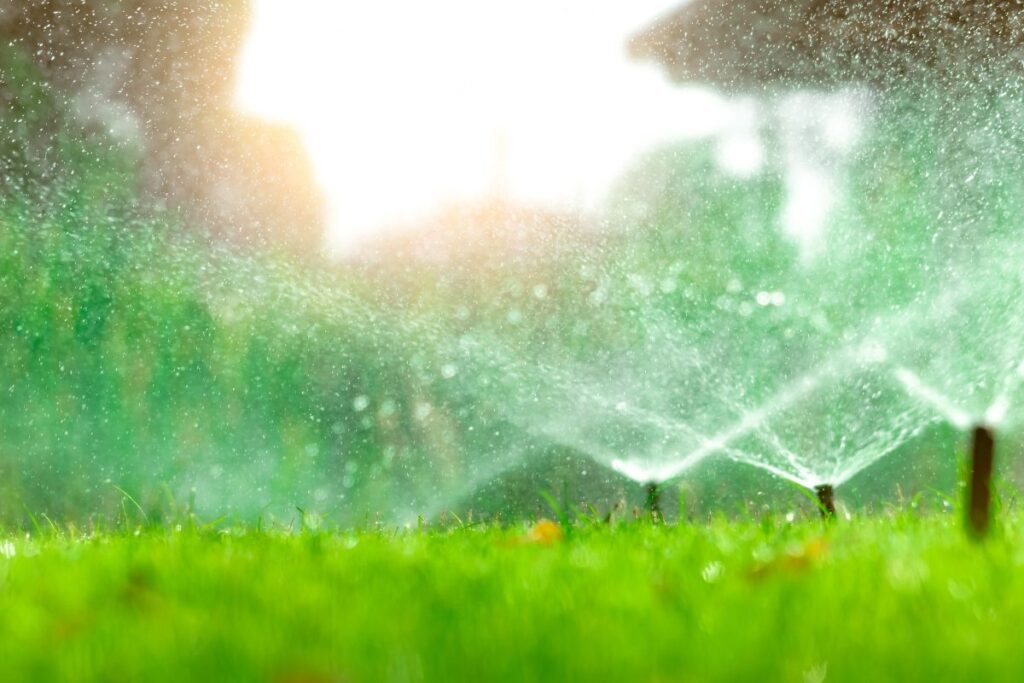
If watering is permitted, do it early in the morning or late in the evening to reduce evaporation. Deep, infrequent watering is more effective than short, daily sprinkles — aim for one inch of water once or twice a week, depending on conditions. A rain barrel is a great way to collect and reuse rainwater for your garden and lawn.

Lawn Care - Watering

3. Raise Your Mower Blades

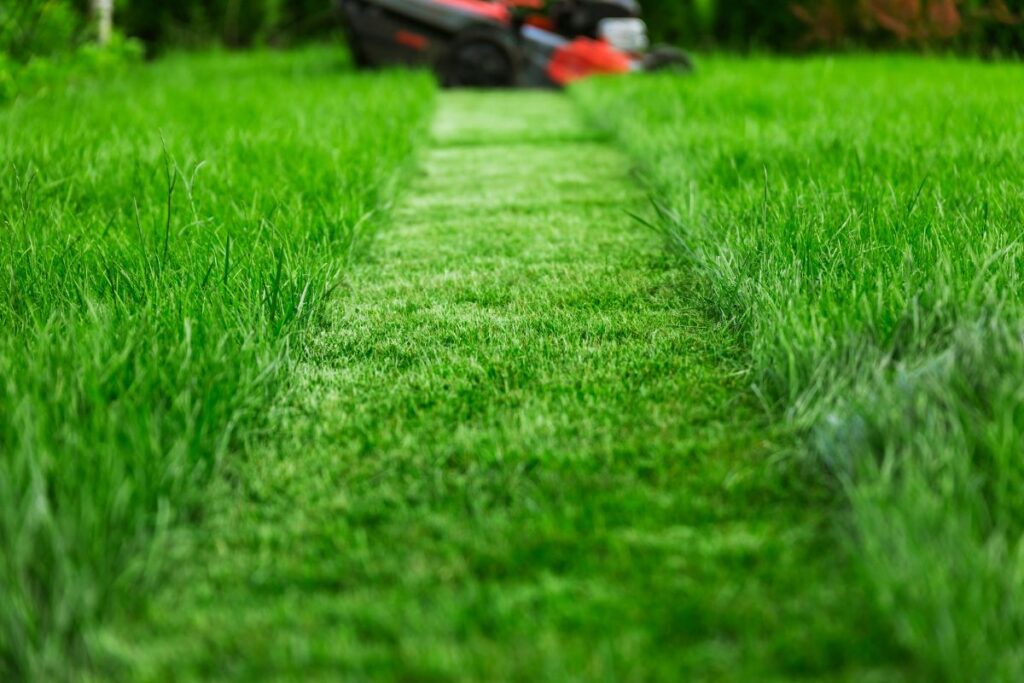
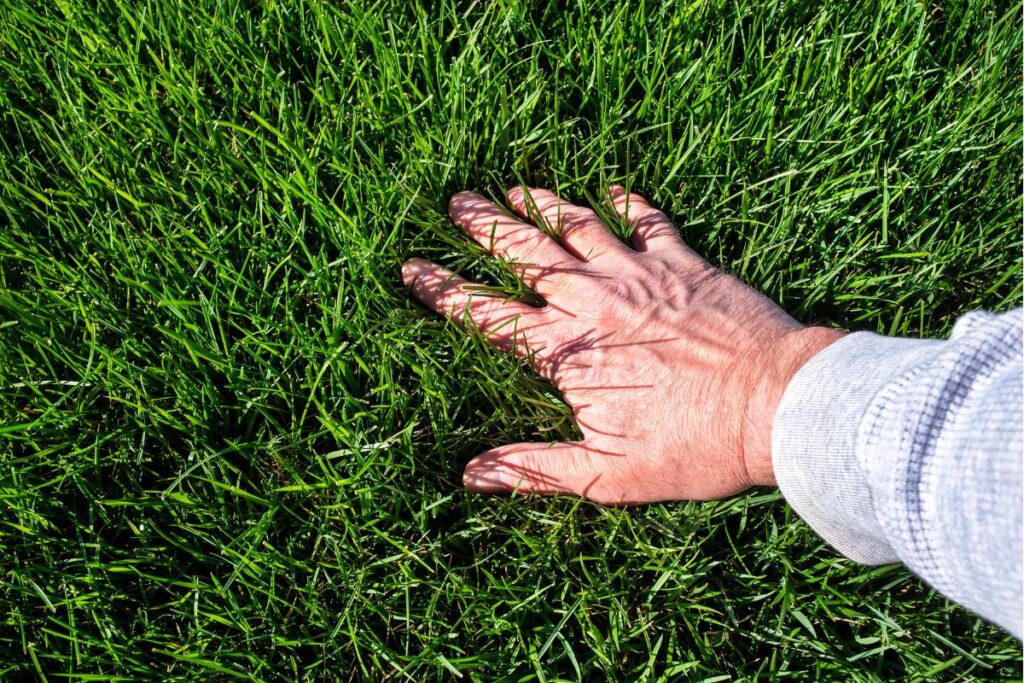
Keep your grass slightly longer — around 3 inches — to shade the roots and retain moisture. Frequent mowing with sharp blades reduces stress on your lawn and promotes a thicker, healthier appearance. Avoid mowing during extreme heat or right after watering.

4. Leave the Clippings

Grass clippings are rich in nutrients. Leaving them on your lawn (a process known as “grasscycling”) returns nitrogen to the soil, supports growth, and reduces the need for synthetic fertilizers. It’s an easy, eco-friendly boost during dry spells.

5. Feed Your Lawn Naturally

Skip the chemical-heavy fertilizers. Instead, opt for slow-release or organic fertilizers that nourish your lawn without harming the environment. Feeding in spring and early fall gives your lawn the nutrients it needs to grow strong and weather summer stress.

6. Rethink Your Landscaping

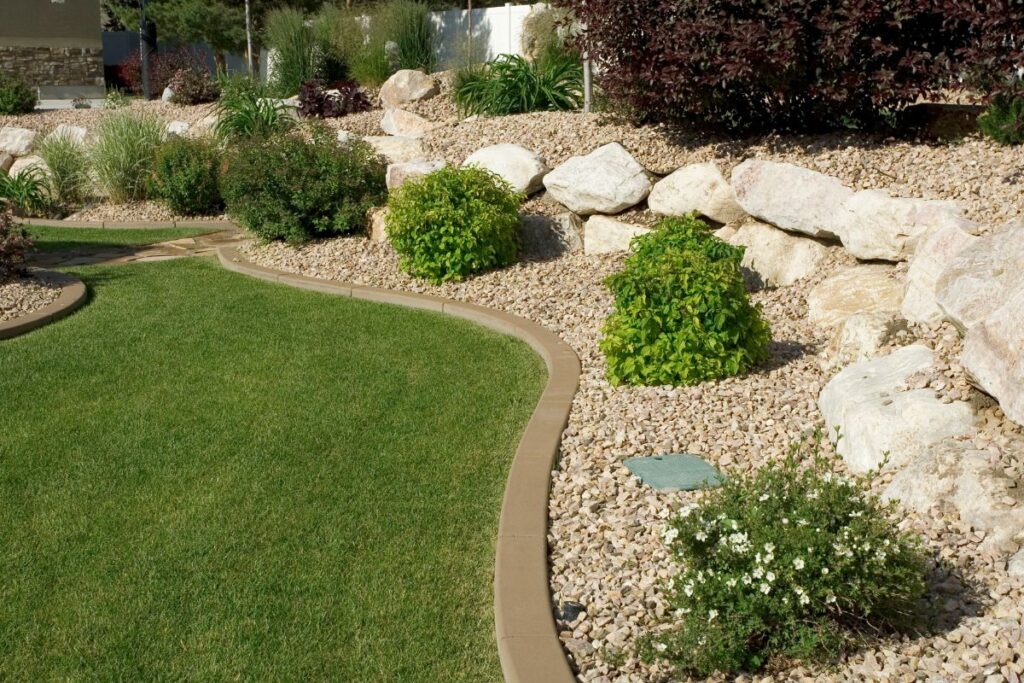
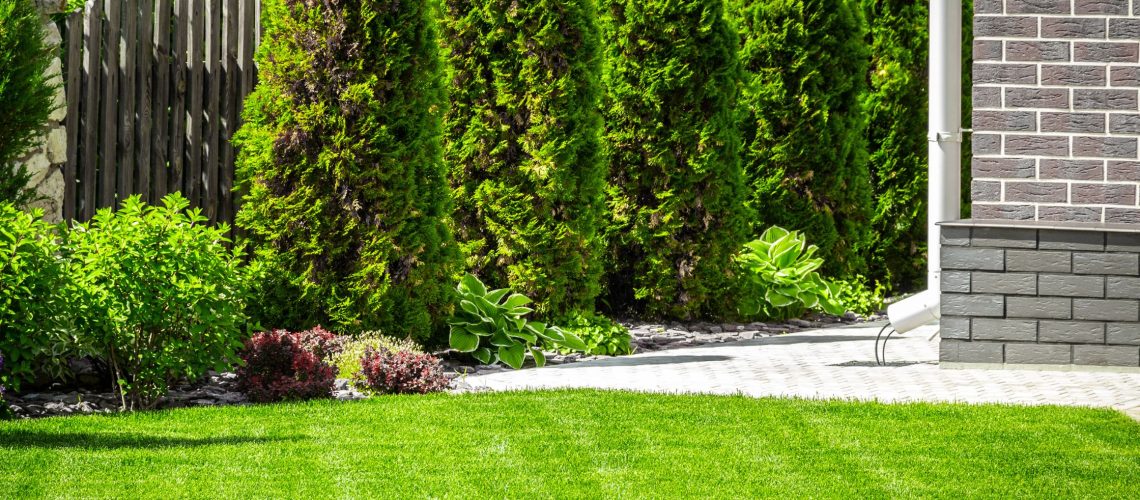
If your lawn is struggling in the heat, consider converting part of your yard to a more drought-tolerant landscape. Native plants, wildflowers, and groundcovers like clover require less water and maintenance, and they support pollinators too. Gravel paths or decorative rock beds can also add interest while conserving water.
Landscaping

7. Aerate and Overseed

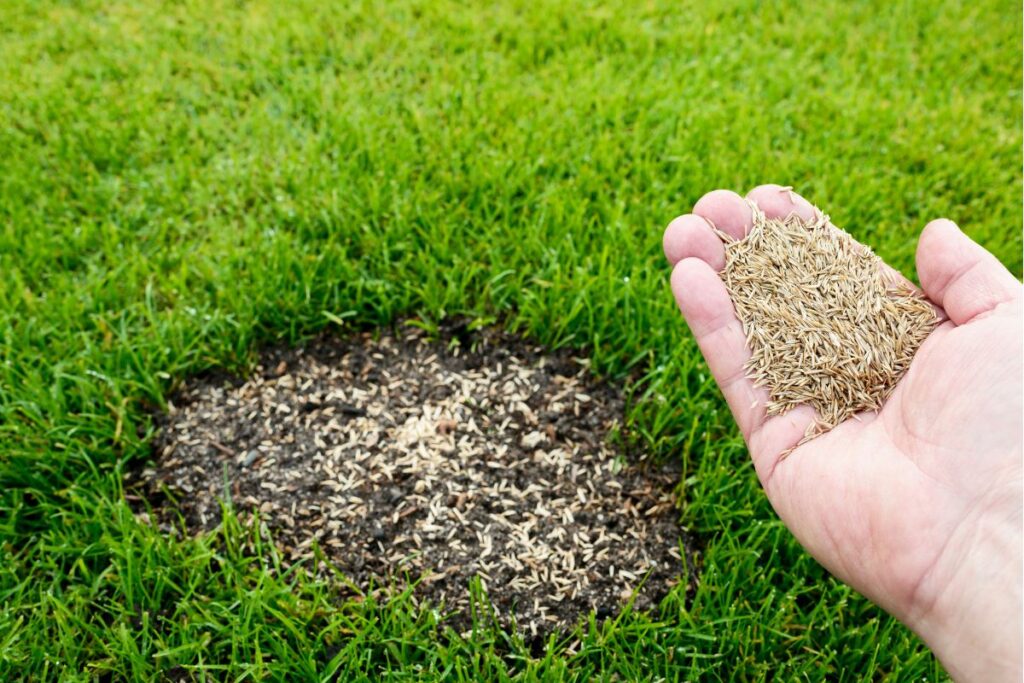
Fall is a great time to aerate your lawn, which helps water and nutrients penetrate the soil more easily. Overseeding patchy areas will prepare your yard to bounce back stronger next season — especially important after a hot, dry summer.
Lawn Care
Drought conditions in Southern Georgian Bay don’t mean you have to give up on having a healthy lawn — it just means working smarter. With the right mix of sustainable practices, thoughtful plant choices, and water-wise habits, you can maintain a lawn that adds beauty and value to your home year-round.

🌱 Thinking about selling your home — or finding one with the perfect outdoor space?

Let’s chat about how curb appeal and smart landscaping can make a difference. I’m here to help you buy or sell in every season.

📞 Tarynn Lennox

📍 Proudly serving the Southern Georgian Bay lifestyle — one yard at a time.

Share this post